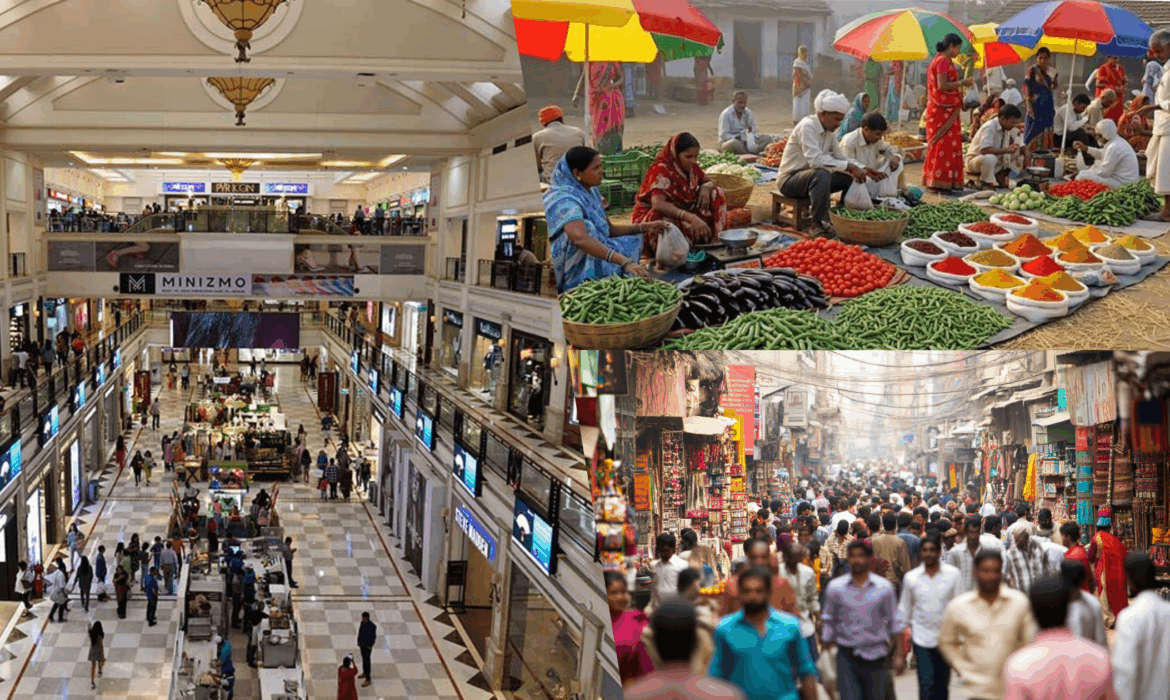
Indian consumers do not behave in a linear way. The same customer who buys premium coffee will bargain at groceries, will choose some thrift affordable fashion, but might spend lavishly on travel. This layered behavior is exactly why Indian brands can no longer rely on the broad levels which speaks ‘urban’, ‘millennial’, ‘Tire 1 users’ etc.
The real edge today lies in advanced segmentation, which means there should be a shift in branding and product approach. This means it is about moving the product or brand from wide generic segments to micro segments. Eventually there should be predictive models that can tell you who will act next or what.
From broad segments to real micro segments
Traditional segmentation stops at gender, age and income. This made sense even a decade ago, but is too blunt for today’s time. Modern Indian brands break those big buckets into behaviour defined, smaller audience. For example, simply targeting ‘urban mothers’ will not help but a micro segment which speaks ‘mothers of 0-2 years old in Mumbai actively searching for toxin free baby products’ is a better and accepted search intent. Or young working professionals is a broad segment, but a sharper one in today’s time will be ‘EMI calculator for IT employees from 22 to 27 living on rent’.
Notice how these micro segments are not defined by who people are, but what they’re doing and what they’re about to decide. So, when the communication matches that stage, the ROI multiplies, not because the ad is fancy, but because the targeting is more precise, intelligent and personal.
Behaviour plus intent is greater than demographic alone
The most powerful segmentation for Indian brands blends identity with action. You have to look through the website behavior, offline store visits, app events, repeat purchases, search context, scroll history, etc. Two women aged 30 in the same city can be two entirely different customers if one is watching postpartum fitness and the other is looking for a real estate in Dubai. If your messaging does not acknowledge the difference, you’re burning budget.
The leap ahead
Predictive modeling is the answer. So, once brands have enough behavioral data, they will move to predictive modelling, which is forecasting what each user is likely to do next. This will help in prosperity to buy, churn the risk, increased cross-sell potential. Instead of treating all leads equally, this predictive model will help the brands to invest where there is the highest probability.
Why it matters now?
India’s digital audience is growing, but their attention and wallet are not infinite, neither uniform. The brands that win are not the loudest, but the ones which are most specific. While the older question was ‘Who is my customer’, for 2025 and beyond, your brand should respond to ‘Which micro-segment is ready right now?’
Find out how to make your brand ready across all segments with SymbolX